
The Intelligent Ride: A Deep Dive into the World of Smart Cars
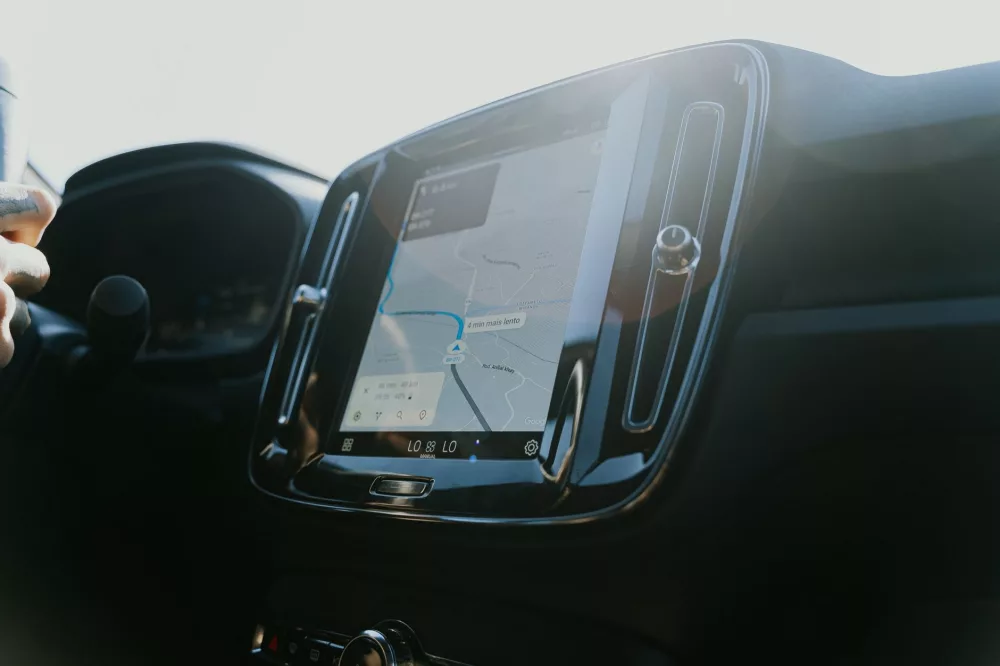
When we talk about a 'smart car' these days, I think we're really discussing something far more advanced than just a vehicle with a touch screen. It's an entire ecosystem, a complex integration of cutting-edge technology designed to enhance safety, convenience, efficiency, and the overall driving experience. For me, it's about how our cars are becoming intelligent partners on the road, constantly learning and adapting. It's a fascinating evolution, isn't it?
We're witnessing a transformative period in automotive history, moving beyond just mechanical prowess to a future where artificial intelligence, connectivity, and sophisticated sensors redefine what a car can do. Imagine your vehicle not just taking you from point A to point B, but actively anticipating your needs, communicating with its surroundings, and even protecting you in ways we only dreamed of a few decades ago.
The Core of Connectivity: Staying Linked On the Go
At the very heart of what makes a car 'smart' is its incredible ability to connect. I mean, we're not just talking about Bluetooth for your phone anymore. Today's smart cars are like mobile data hubs. They often come equipped with high-speed internet access, leveraging technologies like 5G to ensure seamless communication. This connectivity isn't just for streaming music; it's absolutely crucial for so many other functions.
- Vehicle-to-Vehicle (V2V) Communication: This is a big one. Cars can talk to each other, sharing information about speed, direction, and potential hazards. Imagine my car warning me about a sudden stop two vehicles ahead, even before I can see it. That's real-time safety, and I think it's incredible.
- Vehicle-to-Infrastructure (V2I) Communication: Your car can also communicate with things like traffic lights, road signs, and even smart parking meters. This helps with traffic flow, finding parking spots, and receiving real-time updates on road conditions. It really helps smooth out my commute.
- Over-the-Air (OTA) Updates: Just like your smartphone, smart cars can receive software updates wirelessly. This means manufacturers can improve features, fix bugs, and even add new capabilities without me ever having to visit a dealership. It keeps my car fresh and up-to-date.
Advanced Driver-Assistance Systems (ADAS): My Co-Pilot on Every Journey
For me, the most tangible benefits of a smart car often come through its Advanced Driver-Assistance Systems. These aren't just fancy gadgets; they're an extra set of eyes and an intelligent safety net. I appreciate how these systems work tirelessly in the background, making driving less stressful and significantly safer.
Key ADAS Features I Rely On:
- Adaptive Cruise Control: This isn't your grandma's cruise control. My car can maintain a set distance from the vehicle in front, speeding up and slowing down automatically. It makes long highway drives so much more relaxing.
- Lane Keeping Assist and Lane Departure Warning: These systems help keep the car centered in its lane and warn me if I start to drift unintentionally. It's a gentle nudge that can prevent serious accidents, which I find incredibly reassuring.
- Automatic Emergency Braking (AEB): This system can detect potential collisions and apply the brakes if I don't react quickly enough. It’s saved me from a fender bender or two, I'm not gonna lie.
- Blind-Spot Monitoring: Little sensors detect vehicles in my blind spots and alert me, making lane changes much safer. I can't imagine driving without this anymore.
- Parking Assistance: From sensors that warn me about obstacles to systems that can practically parallel park the car for me, these features take the stress out of tight spots.
The Cockpit of Tomorrow: Infotainment and Personalization
Inside a smart car, the infotainment system is often the centerpiece. Gone are the days of simple radio and CD players. We're now interacting with large, responsive touchscreens, voice-activated controls, and seamless smartphone integration. I particularly love how these systems can be so personalized.
My car remembers my preferred seat settings, climate control, and even my favorite music stations. It’s designed to feel like an extension of my digital life. Voice commands allow me to adjust navigation, make calls, or change the temperature without taking my hands off the wheel or my eyes off the road. It’s all about creating an intuitive and comfortable environment, making every trip, whether short or long, a more enjoyable experience.
The Road to Autonomy: Levels of Self-Driving
When we talk about smart cars, the conversation inevitably turns to autonomous driving. While fully self-driving cars (Level 5) aren't widespread yet, we're seeing incredible progress. Most smart cars today offer features that fall into Level 1 or 2 autonomy, where the car assists the driver but human oversight is still required.
Level 3 systems allow for conditional automation under specific circumstances, letting the driver disengage from some tasks. The journey to full autonomy is complex, involving immense technological challenges and regulatory hurdles, but the vision of cars that can navigate themselves, reducing human error, is a powerful one. I’m excited to see how this unfolds over the next decade.
Challenges and Concerns: The Other Side of Innovation
As exciting as smart cars are, I'd be remiss not to mention some of the significant challenges we face. These aren't minor issues; they require careful consideration as the technology evolves.
- Cybersecurity Risks: With all this connectivity, smart cars are essentially computers on wheels. This makes them potential targets for cyberattacks. Protecting personal data and ensuring the car's systems can't be compromised is an absolutely critical concern for me.
- Data Privacy: Smart cars collect a tremendous amount of data – about my driving habits, my location, my entertainment preferences. Who owns this data? How is it used? These are questions we all need to ask and have answered transparently.
- Cost: Unsurprisingly, all this advanced technology comes with a price tag. Smart cars are generally more expensive than their traditional counterparts, making them less accessible to a broader market, at least for now.
- Infrastructure: For V2I communication to be truly effective, we need smart city infrastructure. Our roads, traffic signals, and urban environments need to catch up, and that's a massive undertaking.
- Ethical Dilemmas: In the rare event of an unavoidable accident involving an autonomous vehicle, how does the car's AI decide? Who is responsible? These are incredibly complex ethical and legal questions that we as a society are still grappling with.
The Future is Bright (and Connected)
Looking ahead, I see smart cars becoming even more integrated into our daily lives and smart cities. Imagine subscription services for advanced features, cars that optimize your route based on real-time traffic and parking availability, or vehicles that communicate with your smart home to adjust lighting and temperature before you even arrive. We might even see cars that act as mobile offices or entertainment hubs, completely changing how we spend our travel time.
The evolution of the smart car isn't just about getting from here to there anymore; it's about redefining our relationship with transportation. It's a journey filled with innovation, challenges, and immense potential, and I'm genuinely thrilled to be a part of it. These aren't just cars; they're the future of mobility, and I think that’s pretty cool.
Editorial Team
Contributor and staff analyst writing detailed analyses, guides, and coverage on technology, strategy, and modern digital ecosystems.