
The Enduring Legacy of the Pirate Ship: From Menace to Myth
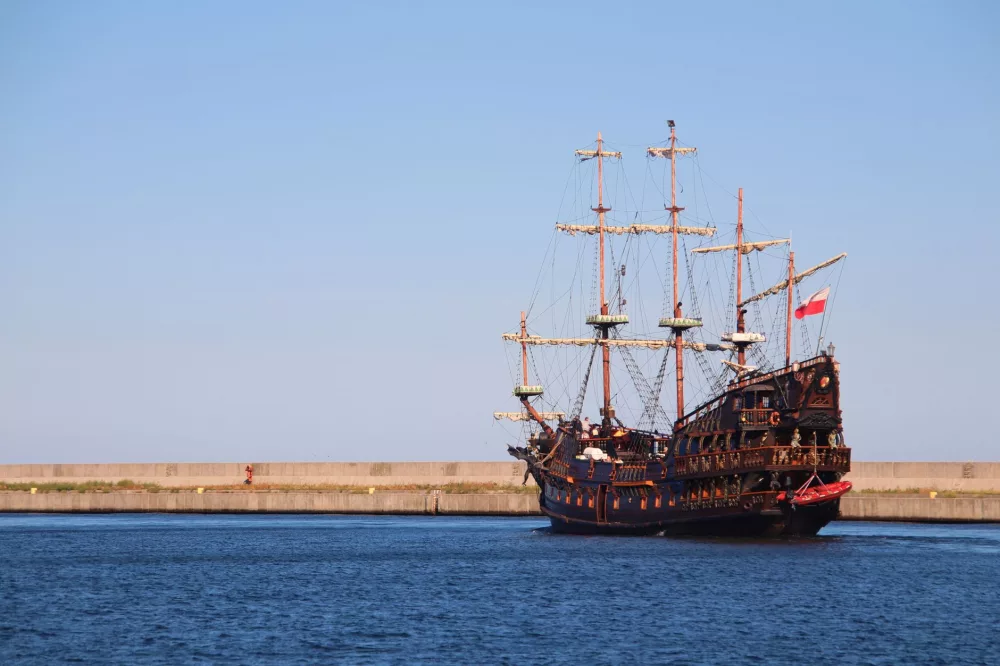
When I think about the golden age of piracy, my mind immediately conjures up vivid images of those iconic ships cutting through the waves. These weren't just any boats; they were the very heart of a pirate's existence – their home, their weapon, and their indispensable means of escape. It's truly fascinating to explore what made these vessels so unique and why they became such enduring symbols of adventure and rebellion. We often romanticize them, perhaps a bit too much, but the reality was a potent mix of ingenious adaptation, brutal necessity, and a constant fight for survival on the high seas.
What Defined a Pirate Ship? Adaptability was Key
Now, you might imagine every pirate ship as a grand galleon, cannons bristling from every port, sails unfurled majestically. But that's not always how it went down, is it? Pirates were incredibly pragmatic, often taking whatever they could get their hands on and then modifying it extensively to suit their specific, and let's be honest, often illicit, needs. They rarely built ships from scratch. Instead, they were masters of conversion, transforming captured merchant vessels into lean, mean, fighting machines.
So, what did they truly prioritize when choosing or modifying a ship? Speed, a shallow draft, and exceptional maneuverability were absolutely critical. They needed to chase down slower merchantmen, escape the formidable navies that pursued them relentlessly, and disappear into uncharted coves or shallow estuaries where larger, deeper-draft warships couldn't follow. This focus on practical advantages shaped the very nature of what we consider a 'pirate ship'.
Common Types of Pirate Vessels
We often find pirates gravitating towards certain ship types, each offering a distinct advantage in their chosen trade. I've noticed a few standout choices that really made a difference for them:
- Sloops: These were incredibly popular, especially in the Caribbean. Their single mast and fore-and-aft rigging made them exceptionally fast and maneuverable, perfect for chasing down merchant vessels or escaping the clutches of naval patrols. What's more, their shallow draft meant they could disappear into tiny coves and estuaries where larger warships couldn't follow, giving pirates a crucial hiding spot and strategic edge.
- Brigantines: Offering a good balance, brigantines sported two masts. The foremast usually carried square sails for speed, while the mainmast had a fore-and-aft sail for better control against the wind. This combination gave them decent speed, good handling, and enough space for a respectable number of cannons and a larger crew than a sloop, making them versatile hunters across various seas.
- Small Frigates: While less common for everyday piracy due to their size and larger crew requirements, some of the more ambitious and successful pirate captains, like Blackbeard with his infamous Queen Anne's Revenge, managed to acquire and heavily arm smaller frigates. These vessels offered significant firepower, turning them into veritable floating fortresses, though they often sacrificed some speed and agility in return for that impressive destructive capability.
These choices weren't random; they reflected a deep understanding of maritime tactics and the specific, demanding needs of a pirate's life.
Ingenious Modifications: Turning a Trader into a Terror
Once a ship was captured, it often underwent quite a transformation. Pirates weren't shy about making a vessel their own, right? I mean, why would they be? They wanted it to be the most effective tool possible for their dangerous profession. One of the first things they'd often do is lighten it considerably. Merchant ships were built for cargo capacity and stability; pirates needed raw speed. So, out went excess ballast, non-essential bulkheads, and often parts of the upper deck structure that created drag or obstructed cannon fire. They'd clear decks to give their gun crews more space, sometimes even cutting new gunports to maximize their broadside potential. Armament, naturally, was a huge deal. They'd mount as many cannons as they could effectively crew, often preferring lighter, quick-firing guns over massive, cumbersome ones that slowed them down too much. They'd also adapt rigging for easier handling and often increase the sail area to boost speed, sometimes even changing the entire sail plan.
Life Aboard: More Than Just Plunder
Life on a pirate ship wasn't a holiday cruise, I can tell you that much. It was harsh, dangerous, and surprisingly disciplined, though perhaps not in the rigid, hierarchical way a naval ship was. Piracy was, in many respects, a democracy of desperation. Crews often voted on their captains and other officers, and they lived by a strict set of codes of conduct, or
Editorial Team
Contributor and staff analyst writing detailed analyses, guides, and coverage on technology, strategy, and modern digital ecosystems.