
A Deep Dive into the Toyota bZ4X: My Candid Review
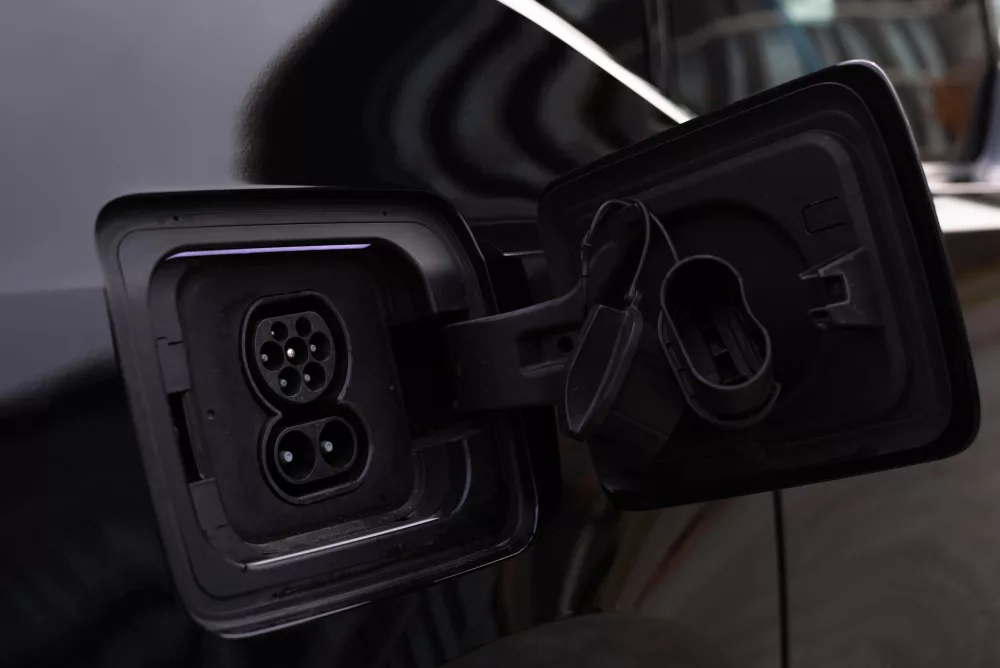
When Toyota announced the bZ4X, I was genuinely intrigued. This wasn't just another hybrid; this was their first dedicated, battery-electric vehicle built from the ground up on the e-TNGA platform. As someone who’s watched the EV space evolve, I knew this moment for Toyota was a big deal. For years, they've championed hybrids, and rightly so, but the shift to a pure EV carries a different weight. I’ve had the chance to spend some time with it, and I'd like to share my honest thoughts, covering everything from its design to its real-world performance.
First Impressions: Styling and Interior Comfort
Stepping up to the bZ4X, you're immediately struck by its distinctive looks. It's got that bold, almost concept-car aesthetic that really sets it apart. Toyota definitely wasn't shy about making a statement here. The sharp creases, the 'hammerhead' front fascia, and those unique LED lights give it a very modern, almost futuristic presence. Some might find it a bit polarizing, but I actually appreciate that Toyota took some risks. It certainly doesn't blend into the background, does it?
Inside, the cabin is where things get really interesting. My initial thought was, "Wow, this is quite different for Toyota." The dashboard design is rather unconventional, with the digital instrument cluster positioned much further forward and lower than you might expect, almost like a head-up display in some ways. It took a little getting used to, but I found it surprisingly effective for keeping my eyes on the road. The materials themselves feel pretty good for the most part; there's a nice mix of soft-touch surfaces and some textile accents that give it a contemporary vibe. The panoramic roof, which is standard on higher trims, really opens up the cabin, making it feel airy and spacious.
Space and Practicality
- Front Seats: I found the front seats to be quite comfortable, offering good support for longer journeys. There's plenty of head and legroom for even taller drivers and passengers.
- Rear Seats: The rear passenger space is also impressive. Because it's built on a dedicated EV platform, there's no transmission tunnel, which means the floor is virtually flat. This makes a huge difference for the middle passenger, and honestly, it just makes the whole rear cabin feel more inviting.
- Cargo Area: The cargo space behind the rear seats is decent, measuring around 27.7 cubic feet. It's not class-leading, but it's practical enough for most daily needs and grocery runs. The load floor is flat, which is always a plus for fitting in bulkier items.
On the Road: Performance and Driving Dynamics
Now, let’s talk about how it drives. The bZ4X offers a choice of front-wheel drive (FWD) or all-wheel drive (AWD) configurations. The FWD model utilizes a single electric motor producing 201 horsepower, while the AWD version bumps that up to 214 horsepower thanks to two motors, one on each axle. I spent most of my time with the AWD model, and I gotta say, it feels pretty peppy off the line. It's not going to win any drag races against a Tesla, but for daily driving and merging onto highways, it's more than adequate. Toyota quotes a 0-60 mph time of around 6.5 seconds for the AWD model, and that feels about right in real-world conditions.
The ride quality is generally smooth and composed. The suspension does a good job of soaking up bumps and imperfections, making for a comfortable cruising experience. I wouldn't call it sporty, but it handles predictably and safely. The steering, while a little light for my taste, is precise enough for navigating city streets and parking lots. Toyota also includes a neat feature called 'X-MODE' on the AWD models, which offers settings for snow, dirt, and mud, suggesting some genuine off-road capability, which is a nice touch for an electric crossover.
Range, Charging, and the Real-World Experience
This is where things can get a bit contentious for any EV, and the bZ4X is no exception. The EPA estimated range for the FWD model is up to 252 miles, and for the AWD model, it's up to 228 miles. These numbers are okay, but they're not class-leading, especially when competitors are pushing well past 300 miles. What I found in my own driving, particularly in colder weather, was that the real-world range can dip noticeably below those estimates. This isn't unique to the bZ4X; it's a common characteristic of EVs, but it's something prospective buyers should definitely be aware of.
Charging is another area that generated some discussion. The bZ4X supports AC charging up to 11 kW, which is pretty standard for overnight home charging. DC fast charging, however, is where it gets a little complicated. FWD models can handle up to 150 kW, while AWD models are capped at a lower 100 kW. What's more, Toyota initially had some software limitations that prevented frequent fast charging in very cold temperatures, which was a bit of a head-scratcher. While Toyota has issued updates to address some of these concerns, it's clear they're still refining their strategy here. I’d suggest checking the latest software updates and real-world charging tests if fast charging is a critical need for you.
Technology and Safety: What You Get
Toyota has packed the bZ4X with a fair amount of tech. The centerpiece is the large 12.3-inch infotainment touchscreen, which runs Toyota's latest operating system. It's a vast improvement over their older systems; it's responsive, the graphics are clear, and it supports wireless Apple CarPlay and Android Auto, which is always a win in my book. The voice assistant works pretty well too, understanding natural language commands with decent accuracy.
Safety is, as expected from Toyota, a strong suit. The bZ4X comes standard with Toyota Safety Sense 3.0, which includes a comprehensive suite of advanced driver-assistance systems. We're talking about features like:
- Pre-Collision System with Pedestrian Detection
- Lane Departure Alert with Steering Assist
- Full-Speed Range Dynamic Radar Cruise Control
- Lane Tracing Assist
- Automatic High Beams
- Road Sign Assist
- Proactive Driving Assist (a new addition, offering gentle braking and steering support)
Having these systems onboard really adds to the peace of mind, especially on longer highway drives or in busy traffic. They generally operate smoothly and unobtrusively, which is exactly what you want from driver assistance.
My Concluding Thoughts and Who It's For
Overall, my experience with the Toyota bZ4X has been a mixed but mostly positive one. It’s a genuinely comfortable, stylish, and practical electric crossover that feels well-built and safe. I really appreciate Toyota's commitment to delivering a vehicle that maintains many of their core values – reliability and practicality – in an all-electric package. The interior is refreshingly different and spacious, and the ride quality is pleasant.
However, it isn't without its caveats. The range, while sufficient for many, isn't segment-leading, and the initial confusion around charging speeds and cold-weather performance did raise some eyebrows. These are important considerations for anyone transitioning to an EV. I also think its exterior styling, while I personally like it, might not appeal to everyone.
So, who is the bZ4X for? I'd say it’s a great option for someone who wants a dependable, comfortable, and distinctive electric SUV, especially if you're already familiar with the Toyota brand and value their reputation for quality. If you're someone who drives shorter to moderate distances daily, has access to home charging, and appreciates strong safety features, then I think you'll find a lot to like here. It's not trying to be the flashiest or the fastest EV out there, but it certainly offers a solid, reliable, and uniquely Toyota take on the electric future.
Editorial Team
Contributor and staff analyst writing detailed analyses, guides, and coverage on technology, strategy, and modern digital ecosystems.