
The Toyota GR 86: A Deep Dive into Modern Driving Purity
The Evolution of a Driver's Car
I remember quite vividly the excitement surrounding the original ‘86 platform. It felt like a genuine throwback, a truly refreshing take on what a lightweight, front-engine, rear-wheel-drive sports car should be. Now, with the Toyota GR 86, the legacy isn't just continuing; it's thriving with renewed vigor and purpose. This isn't just an update; it’s a thoughtfully engineered progression, honed by Toyota’s Gazoo Racing division.
For many enthusiasts, myself included, the GR 86 represents something rather special in today's automotive landscape. We're living in an era where power figures often dominate headlines, and electric vehicles are rapidly gaining traction. Yet, here's a car that, despite the trends, doubles down on the fundamentals: balance, engagement, and pure driving pleasure. Toyota and Subaru really listened to the feedback on the first generation, and you can sense that commitment in every aspect of this new machine.
Engine Performance: Addressing the Critics
One of the most frequent comments about the first generation – and I’d agree with this – was its perceived lack of mid-range torque. It was a good engine, but it did have a bit of a power dip that could sometimes interrupt the flow of a spirited drive. Well, folks, that's been thoroughly addressed in the GR 86. We're now working with a larger 2.4-liter naturally aspirated horizontally opposed four-cylinder engine. This change means a noticeable bump in power, taking it from 205 horsepower to a much more satisfying 228 horsepower.
But the numbers don't tell the whole story, do they? What truly matters is how that power is delivered. The new 2.4-liter engine provides a significantly broader torque curve. The peak torque of 184 lb-ft arrives at a much lower 3,700 rpm, compared to the previous 156 lb-ft at 6,400 rpm. What does this mean for us, the drivers? It means the car feels much more eager off the line, and crucially, it pulls strongly through the mid-range. You don't have to wring its neck quite as hard just to feel that surge of acceleration, which I think makes it a far more enjoyable and accessible car for a wider range of driving scenarios. Whether you're on the track or just enjoying a winding road, that improved responsiveness makes all the difference.
Chassis and Handling: Sharper Than Ever
Beyond the engine, a sports car lives and dies by its chassis. Toyota and Subaru didn't just slap a new engine in the old body; they went back to the drawing board to enhance the platform's rigidity and refine its dynamics. My impression is that the improvements are genuinely substantial. The GR 86 boasts increased torsional rigidity, thanks to strategic bracing and reinforcements. This includes a full-ring structure connecting the frame to the suspension mounts, and additional bracing around the rear subframe.
What effect does this have on the driving experience? It translates to a car that feels incredibly planted and precise. The steering, already praised in the previous model, feels even more direct and communicative. When I was cornering, I really felt connected to what the front wheels were doing, which is exactly what you want in a driver-focused machine. They've also worked on keeping the center of gravity low, which is naturally aided by the boxer engine layout. The suspension tuning – with MacPherson struts up front and a double-wishbone setup at the rear – has been recalibrated to complement the stiffer chassis, offering a fantastic blend of comfort for daily driving and firmness for enthusiastic excursions. The handling feels incredibly neutral, allowing for easy, predictable slides when you want them, or precise, grippy cornering when you don't.
- Increased torsional rigidity: Enhanced body structure for better handling.
- Lower center of gravity: Improves stability and cornering dynamics.
- Refined suspension tuning: A balance of daily comfort and track capability.
- Communicative steering: Direct feedback from the road.
Exterior Design: Functional Aerodynamics Meet Classic Sports Car Aesthetics
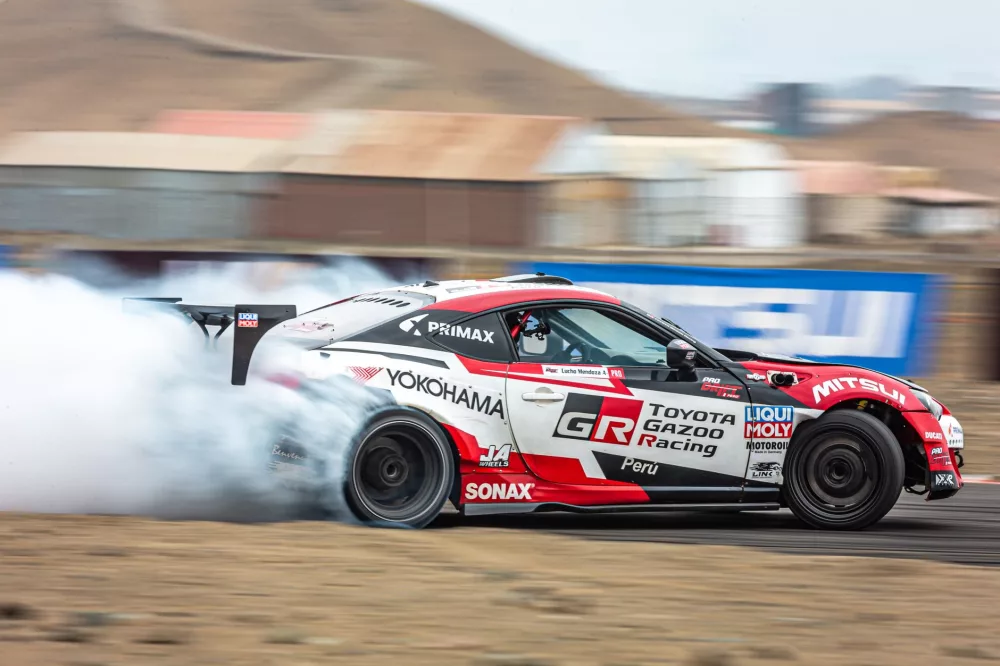
The GR 86's exterior design is an evolution, not a revolution. It retains that iconic, low-slung sports car silhouette that we all loved in the first generation, but everything feels sharper, more modern, and frankly, more aggressive. The front fascia, with its functional matrix grille and angular LED headlights, gives it a menacing stare. I really appreciate that many of the aerodynamic elements, like the air vents in the front fenders and the side sill spoilers, aren't just for show; they're actually functional, helping to reduce lift and improve airflow. This commitment to functional design is a hallmark of Gazoo Racing.
The rear design is equally compelling, featuring a more integrated ducktail spoiler on some trims and sleek LED taillights that are connected by a black trim strip. It just looks cohesive, doesn't it? From any angle, the car screams
Editorial Team
Contributor and staff analyst writing detailed analyses, guides, and coverage on technology, strategy, and modern digital ecosystems.